Custom Rooflights for Brighter Homes
A Comprehensive Guide to Picking the Ideal Rooflights for Your Home
Choosing the ideal rooflights can transform a home, enhancing both natural light and atmosphere. Various types, from skylights to lanterns, deliver unique benefits. However, choosing the most suitable option requires careful consideration of numerous factors, such as installation methods and material durability. As homeowners evaluate these choices, appreciating the essential criteria becomes vital. What considerations should guide the decision to reach the best outcome? The journey to brightening a residential space begins here.
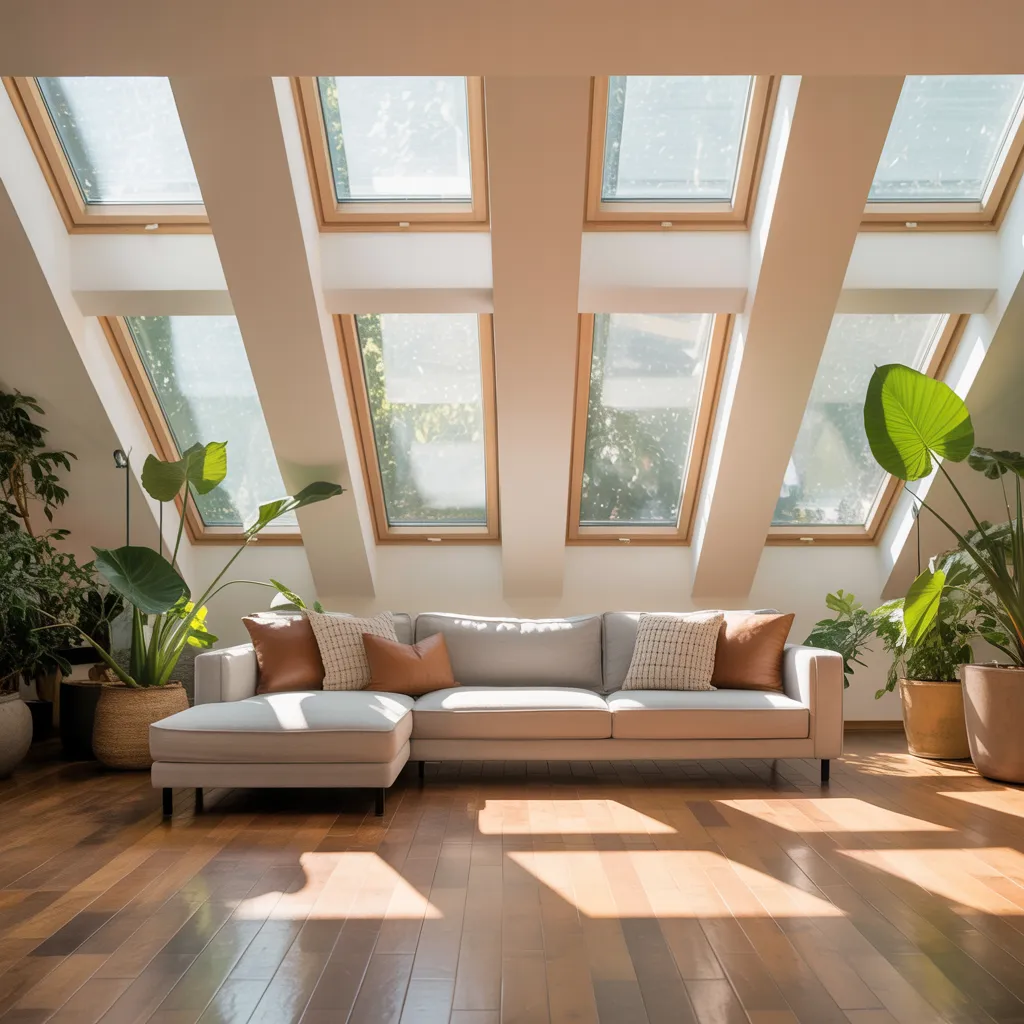
Why Rooflights Are Vital for Your Home
Whilst many homeowners concentrate on conventional windows for natural light, rooflights provide a distinctive solution that transforms spaces and improves living environments. By enabling light to stream in from overhead, rooflights produce a sense of openness and airiness that standard windows often fail to deliver. This abundance of natural light can significantly enhance mood and well-being, causing spaces to feel more inviting and pleasant.
Furthermore, rooflights can enhance energy efficiency by reducing the need for artificial light sources during the day. They can also offer passive heating gains, particularly in colder months, by permitting natural light to warm indoor areas.
In addition, rooflights are able to be thoughtfully situated to showcase architectural features or generate eye-catching features, bringing artistic enhancement. Overall, integrating rooflights into a property not only enhances illumination but also elevates the overall environment, making them a crucial addition for contemporary property owners seeking to enhance their residential areas.

A Range of Rooflight Options: An In-Depth Guide
Rooflights can be found in a wide range of styles and designs, each presenting unique benefits for homeowners. The most popular types include tubular daylighting devices, skylights, and roof windows. Skylights are commonly fixed or vented apertures in the roof, allowing natural light to flood spaces below while providing ventilation options. Roof windows, built for vertical installation, are perfect for loft conversions, improving both aesthetics and functionality.
Tubular skylights employ highly reflective channels to direct natural light from the roof surface to indoor areas, making them ideal for spaces where roof access is restricted. Furthermore, rooftop lantern lights create an impressive structural statement while optimizing natural light and airflow. Each type can greatly impact a residence's comfort and energy consumption. At the end of the day, understanding these various options allows homeowners to reach educated conclusions suited to their individual requirements and tastes.
Important Criteria for Picking Rooflights
When evaluating rooflights, key criteria include light transmission efficiency and energy efficiency ratings. These elements significantly impact both the level of natural light admitted into a space and the total energy usage of a property. Knowing these considerations is fundamental for making a knowledgeable selection that promotes comfort and environmental efficiency.
Optical Transmission Efficiency
Light transmission efficiency functions as a critical factor in selecting rooflights, influencing both the ambiance and energy performance of a residence. This measurement reflects how much sunlight penetrates the rooflight, affecting the overall luminosity and comfort of living spaces. Greater light transmission helps reduce the need for artificial lighting, enhancing the home's aesthetic appeal while promoting a more inviting atmosphere. Furthermore, materials used in rooflights, including glass and polycarbonate, offer different degrees of light transmission, which can affect the choice made by homeowners. Considering the individual needs of each space, including its function and orientation, can guide decisions on the ideal light transmission levels, thereby fostering a balanced and comfortable living space.
Energy Performance Ratings
Picking rooflights requires careful assessment of energy efficiency ratings, as these ratings significantly impact the home's thermal efficiency and energy consumption. Rooflights are generally rated using view now the U-value, which measures heat transfer; a lower U-value indicates better insulation. Furthermore, solar heat gain coefficients (SHGC) assess how much solar energy passes through the rooflight. Choosing options with low U-values and optimal SHGC ratings can considerably decrease heating and cooling costs. Energy-efficient rooflights also promote improved comfort levels and minimized environmental impact. Homeowners should also examine the product's certification, such as Energy Star ratings, to confirm compliance with energy efficiency standards. Ultimately, informed choices improve both sustainability and energy savings in living environments.
Choosing the Right Rooflight Materials
When choosing rooflight materials, homeowners should assess the advantages of glass compared to polycarbonate. Energy efficiency is a key element that influences not only utility bills but also overall comfort within the home. Furthermore, the visual appeal of each option can significantly influence the home's overall appearance.
Glass Versus Polycarbonate Choices
Picking the correct material for rooflights can significantly impact both aesthetics and functionality, as homeowners consider the advantages of glass versus polycarbonate options. Glass rooflights deliver a refined, sophisticated look and superior clarity, making them ideal for enhancing natural light. They are also more resistant to scratching and can deliver improved long-term resilience. In contrast, polycarbonate rooflights are more lightweight and impact-resistant, making them suitable for areas prone to harsh weather. Moreover, polycarbonate is generally available in a range of colors and styles, enabling greater creative flexibility. Although glass may demand more upkeep to remain clean and transparent, polycarbonate tends to be more cost-effective and simpler to install. In the end, the decision between these materials is guided by personal preferences and particular project needs.
Considerations for Energy Efficiency
Given the rising importance of energy efficiency in household architecture, the choice of rooflight materials is essential in reducing energy consumption. High-performance glazing options, such as triple-glazed glass, provide excellent thermal insulation, reducing heat escape in winter periods and keeping indoor spaces comfortable. Additionally, low-emissivity (Low-E) coatings can redirect infrared rays, enhancing energy efficiency without sacrificing daylight intake. Polycarbonate materials, while typically offering less insulation than glass, can still provide satisfactory thermal benefits when chosen with multi-wall designs that capture air to enhance insulation. Beyond this, opting for materials with an elevated solar heat gain coefficient (SHGC) can maximize passive solar warming, helping to boost thermal efficiency further. In conclusion, well-considered material selections can significantly influence a residence's total energy efficiency.
Aesthetic Quality Considerations
The overall appearance of rooflights significantly affects the overall aesthetic of a home. A range of materials provide individual properties that can complement or undermine a property's visual character. As an example, glass rooflights offer a modern, sleek appearance, enabling generous amounts of natural light to flood interiors. Conversely, conventional options such as polycarbonate can deliver a timeless, heritage-inspired aesthetic, attracting homeowners who prefer a traditional style. Moreover, structural elements like aluminum or timber frames influence both the aesthetic qualities and the strength and care considerations. In the process of picking rooflights, residents are advised to assess how the chosen finish harmonizes with the current structure, creating a unified aesthetic that elevates the property's appeal while fulfilling functional needs.
Rooflight Installation: DIY or Call in a Professional?
When evaluating rooflight installation, homeowners should consider the advantages of a DIY approach against bringing in a professional. A DIY installation offers a cost-effective solution, enabling homeowners to reduce labor expenses and gain hands-on experience. However, it necessitates a strong grasp of roofing structures, regional building regulations, and the expertise to address possible complications.
Conversely, employing a skilled professional delivers a high-quality installation, as seasoned professionals have expertise in different rooflight configurations and possible complications. Contractors are also able to provide warranties and assure compliance with safety regulations, minimizing the likelihood of future problems.
Ultimately, the decision copyrights on the homeowner's confidence in their skills and how complex the project turns out to be. In the case of basic installations, a DIY approach might suffice, though bigger or more elaborate designs usually require the support of a professional to guarantee both reliability and efficiency.
Tips for Placing Rooflights for Maximum Light
Effective rooflight fitting requires more than just expert craftsmanship but also on thoughtful situating to maximize natural light. To achieve ideal brightness, consider carefully the directional placement of the rooflights. Southward-oriented fittings receive the greatest amount of sunlight during the day, while east and west orientations provide morning and evening light, respectively.
Placing rooflights near essential living areas, including kitchens and lounges, boosts the general ambiance. Moreover, confirming that rooflights are unobstructed by impediments—such as overhanging trees or nearby buildings—will facilitate unrestricted light flow.
For more expansive rooms, using multiple smaller rooflights can create a more balanced light distribution, preventing harsh shadows. It's also worth noting the height of the rooflight; greater heights permit light to travel deeper into the interior. Finally, installing rooflights at an angle can aid in guiding natural light more precisely, filling the room with natural light across the day.
Looking After Your Rooflights: Key Maintenance Guidelines
Routine maintenance is vital for ensuring rooflights consistently deliver perfect natural light and elevate the home's aesthetic. Regular inspections should be conducted to look for indicators of deterioration, such as fractures or water ingress. Periodically washing rooflights is important; dirt and buildup can hinder light transmission and foster mold formation. A soft cloth with a mild soap mixture is suggested to protect the surface from abrasions.
In addition, homeowners should examine surrounding roof materials to verify they are in good condition, as this can influence the rooflight's performance. Confirming sufficient drainage around the roofing aperture helps prevent water accumulation, which can result in water leaks.
It is furthermore recommended to check seals and flashing regularly to maintain airtightness. When any concerns are detected, addressing them promptly can prevent more extensive damage. By implementing these fundamental maintenance steps, homeowners can maximize the longevity and functionality of their rooflights, guaranteeing they remain an attractive feature of the home.
Common Questions and Answers
What Energy Efficiency Advantages Do Rooflights Offer?
Roof lights improve energy performance by maximizing natural light, minimising the need for artificial lighting, and promoting better ventilation. This results in lower energy consumption, lower heating expenses, and a significantly more comfortable living space across every season.
Can Rooflights Help Decrease Heating or Cooling Bills?
Rooflights are highly effective at reducing heating and cooling costs by increasing natural light levels, which decreases the need for artificial lighting and helps regulate indoor temperature. This efficiency can lead to lower energy bills over time.
How Can Rooflights Influence Your Home Insurance Premiums?
Rooflights can potentially affect household insurance costs, as they can enhance property appeal and overall value. Nevertheless, they might also elevate risk evaluation scores, resulting in increased premiums if considered susceptible to damage or leaks.
Are There Any Building Regulations for Installing Rooflights?
Yes, there are building regulations for rooflight installation. They ensure safety, structural integrity, and energy efficiency. Homeowners should consult local regulations and obtain necessary permissions before installation to steer clear of potential legal and insurance complications.
What Common Rooflight Installation Mistakes Should You Avoid?
Common rooflight installation mistakes consist of improper sealing, inadequate structural support, wrong sizing, neglecting drainage, and neglecting to consider heat performance. Each error can result in structural issues, leaks, and energy inefficiency over time.